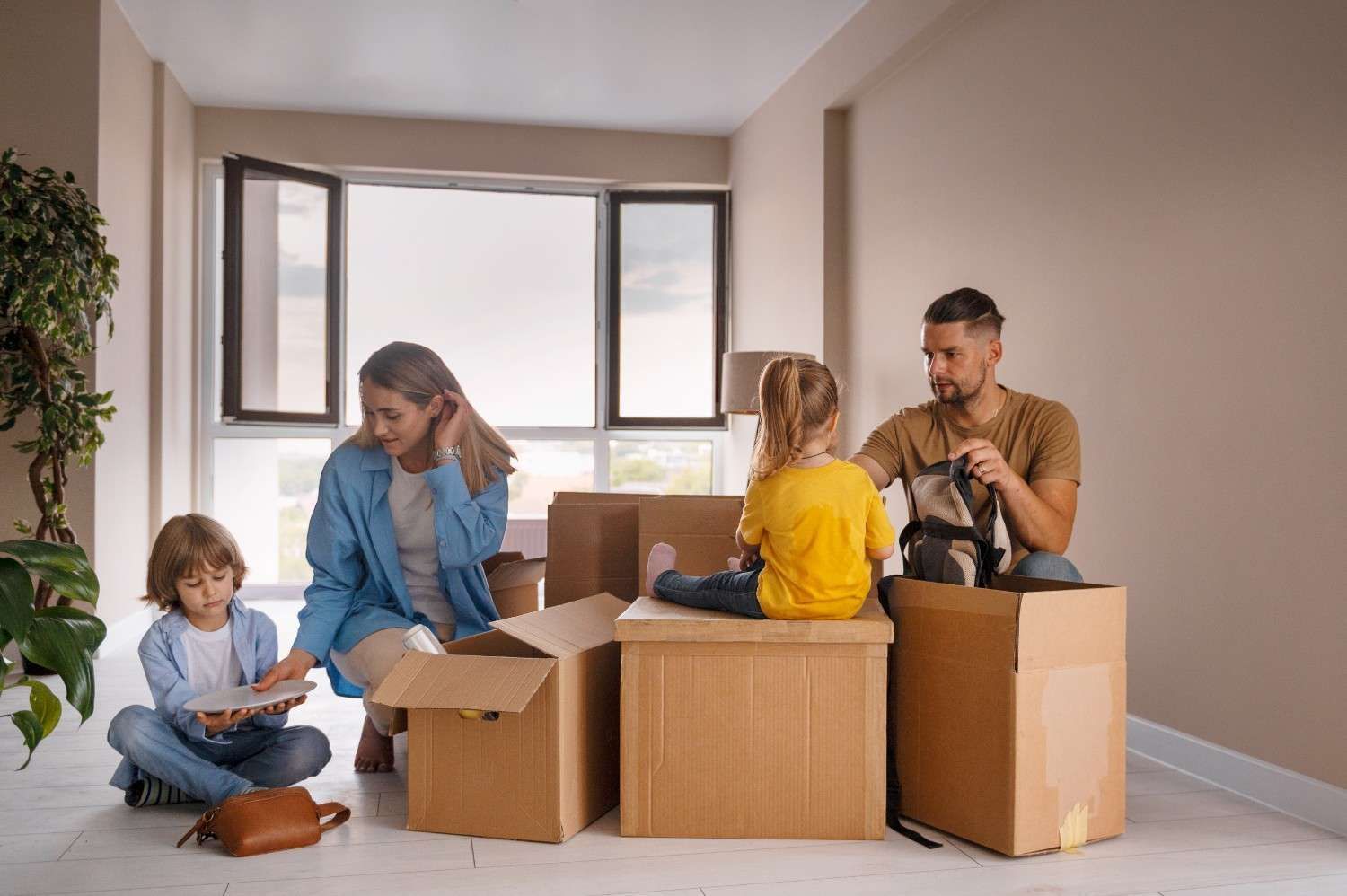
The Room-by-Room Packing Order That Professional Movers Swear By
Most people approach packing the wrong way. They wander from room to room, box things up randomly, and end up with a chaotic mix of kitchen items wedged next to bathroom supplies and zero idea where anything is on move-in day. It doesn't have to go that way.
Professional movers follow a specific packing order - one that protects your belongings, reduces stress, and makes unpacking at the new home far more efficient. At Home Team Moving, a trusted moving company in Lexington, MA, we've helped hundreds of families pack and relocate with precision. Here's the exact system we swear by.
Start With a Plan, Not a Box
Before you tape up a single box, take stock of what you own. Walk through every room and make three mental categories: pack it, donate it, toss it. Moving is the single best opportunity to declutter, and every item you eliminate is one less thing to wrap, carry, and unpack.
Once you've edited, gather your supplies - sturdy boxes in multiple sizes, packing paper, bubble wrap, quality tape, and a permanent marker for labeling. Label every box with both its contents and its destination room. This one habit alone will save you hours on moving day. According to the American Moving and Storage Association, planning ahead and decluttering before your move are among the most important steps to keeping your relocation organized and stress-free from start to finish.
The Golden Rule: Start With What You Use Least
The foundation of every professional packing strategy is simple - pack in reverse order of necessity. The items you reach for least often get packed first. The things you use every single day get packed last.
This keeps your home functional throughout the moving process and ensures that the essentials are always within reach until the final hours before the truck arrives.
Room 1: Storage Areas, Attic, and Basement
Storage spaces are the natural starting point. These areas hold items you rarely - or never - touch: holiday decorations, old paperwork, seasonal clothing, sentimental keepsakes, sports equipment you haven't used in years.
Pack these spaces first and pack them thoroughly. Use this opportunity to sort ruthlessly. Anything that hasn't been touched in over a year deserves serious consideration before it earns a spot on the moving truck.
Pro tip: Heavy items like tools and equipment should go in small boxes. Books, too. A large box full of hardcovers becomes nearly impossible to lift safely - and creates unnecessary risk for both your belongings and the movers handling them.
Room 2: Guest Bedroom and Spare Rooms
Guest rooms and home offices used infrequently are your next target. Strip the beds, pack linens, wrap any decorative items, and box up everything that isn't part of your daily routine.
For home offices, take extra care with electronics. Back up important files before packing computers. Use original packaging when available, or wrap devices in clean packing paper and secure them snugly in appropriately sized boxes. Label these boxes clearly and load them last onto the truck so they're the first items off. Whether you're working with movers in Lexington, MA or coordinating a move from Arlington, MA, this step protects your most valuable equipment throughout transit.
Room 3: Living Room and Dining Room
Living rooms contain a mix of the decorative and the functional - and the most fragile. Art, mirrors, picture frames, lamps, and decorative objects require individual wrapping and careful boxing.
Experienced movers in Lexington, MA always wrap frames and mirrors in packing paper first, then add a layer of bubble wrap before sliding them into picture boxes or standing them vertically. Never lay glass items flat in a box - they're far more vulnerable to pressure that way.
For furniture, disassemble what you can. Remove legs from tables and sofas where possible, wrap each piece in moving blankets, and store all hardware in labeled zip-lock bags taped directly to the furniture they belong to.
Room 4: Bedrooms
Tackle the master bedroom and remaining bedrooms next. Strip beds and pack linens, clothing, and personal items, leaving out only what you need for the final days before your move.
A wardrobe box is one of the best investments a mover can make. It lets you transfer hanging clothes directly from the closet rod to the box without folding, which saves time and prevents wrinkles. For folded items, use medium boxes and fill them completely - partially filled boxes collapse under weight and can damage whatever is stacked on top.
Mattresses should always be packed in mattress bags. This single step protects against dirt, moisture, and damage during transport - and is standard practice for any reputable moving company serving Lexington, MA and the surrounding communities including Arlington, MA.
Room 5: Kids' Rooms
Kids' rooms deserve their own dedicated packing session. Pack toys, books, and non-essential items early, but leave out a small basket of comfort items - a favorite stuffed animal, a few books, a familiar blanket - until the very last moment.
This approach keeps children grounded during a naturally unsettling time. It also means you're not tearing apart boxes at the new home at 9 PM searching for a beloved toy while a tired toddler melts down.
If possible, set up your child's room first at the new home. Familiar surroundings make the transition significantly easier for young children. If you'd like more guidance on keeping little ones calm and comfortable during a move, our blog on moving with a toddler without it turning into a disaster walks you through the process step by step.
Room 6: Bathrooms
Bathrooms are straightforward but require attention to detail. Dispose of expired medications and products you haven't used in months. Drain and seal any liquids carefully - even well-sealed bottles can leak under the pressure of a packed box.
Toiletries should go in a clearly marked box or bag that travels in your personal vehicle, not on the truck. You'll need them immediately upon arrival, and you don't want to dig through twenty boxes looking for toothpaste at the end of a long moving day.
Room 7: Kitchen - Last Before Essentials
The kitchen is the most complex room to pack and the one that takes most people by surprise. It's also the room you'll need to access the longest, which is why professional movers always pack it second to last.
Start with items you use infrequently: specialty appliances, seasonal cookware, fine china, extra sets of dishes. Work your way toward everyday items, leaving your daily plates, mugs, and cooking essentials for the final day.
Wrap every dish individually in packing paper and stack them vertically in boxes - never flat. Vertical stacking dramatically reduces the risk of breakage. Fill any gaps in boxes with crumpled paper to prevent shifting during transport.
Pack small appliances in their original boxes where possible. If you no longer have them, wrap appliances in packing paper and use appropriately sized boxes with plenty of cushioning. If you're weighing whether to tackle packing solo or bring in professionals, Consumer Reports outlines exactly what to look for when hiring a reliable moving company - including verifying credentials, getting written estimates, and avoiding common scams.
Pack small appliances in their original boxes where possible. If you no longer have them, wrap appliances in packing paper and use appropriately sized boxes with plenty of cushioning.
Room 8: The Essentials Box - Pack This Last
Every professional moving company will tell you the same thing: assemble an essentials box and load it into your personal vehicle, not the truck. This box should contain everything you need for the first 24 to 48 hours in your new home:
- Toiletries and medications
- Phone chargers and laptop
- A change of clothes for each family member
- Snacks and a few basic kitchen items
- Important documents
- Kids' comfort items
- Basic tools (a screwdriver goes a long way on move-in day)
This box is your lifeline. Treat it accordingly.
Frequently Asked Questions
How far in advance should I start packing before a move?
For most households, six to eight weeks is ideal. Start with storage areas and rarely used rooms immediately, and work your way toward the kitchen and daily essentials in the final week. Rushing the packing process is one of the most common causes of damaged belongings and move-day chaos. If you're short on time, a full-service moving company in Lexington, MA can provide professional packing services to handle it efficiently.
Should I pack room by room or category by category?
Room by room is the professional standard, and for good reason. Packing by category - the popular method often used for decluttering - works well for sorting but creates unpacking confusion during a move. When every box is labeled by room and destination, movers can place boxes exactly where they belong in the new home, and you can unpack systematically without the guesswork. This approach is especially valuable for families working with Arlington, MA movers or movers in Lexington, MA who operate on tight move-day schedules.
What's the most common packing mistake movers see?
Overpacking boxes. Heavy, overstuffed boxes break, injure backs, and damage contents. A good rule of thumb: if you can't comfortably lift the box with both hands, it's too heavy. Distribute weight evenly, use the right size box for the right items, and never be afraid to use a smaller box. Experienced movers in Lexington, MA will tell you that a few extra boxes are always worth it.
Conclusion
Packing is a skill, and like any skill, it gets easier when you follow a proven system. Start with what you use least, protect your fragile items properly, label everything clearly, and always pack an essentials box last. Follow this room-by-room order and you'll arrive at your new home with your belongings intact, your sanity preserved, and a clear plan for unpacking.
When you're ready to make your move, trust the team that Lexington, MA and Arlington, MA residents count on. Home Team Moving brings the professionalism, care, and local expertise that turns a stressful moving day into a smooth, well-executed transition.
Ready to get started? Visit hometeammoving.com to request your free quote today.